
California DRE Audit Preparation Checklist: How Property Managers Can Be Ready Before the Auditor Arrives
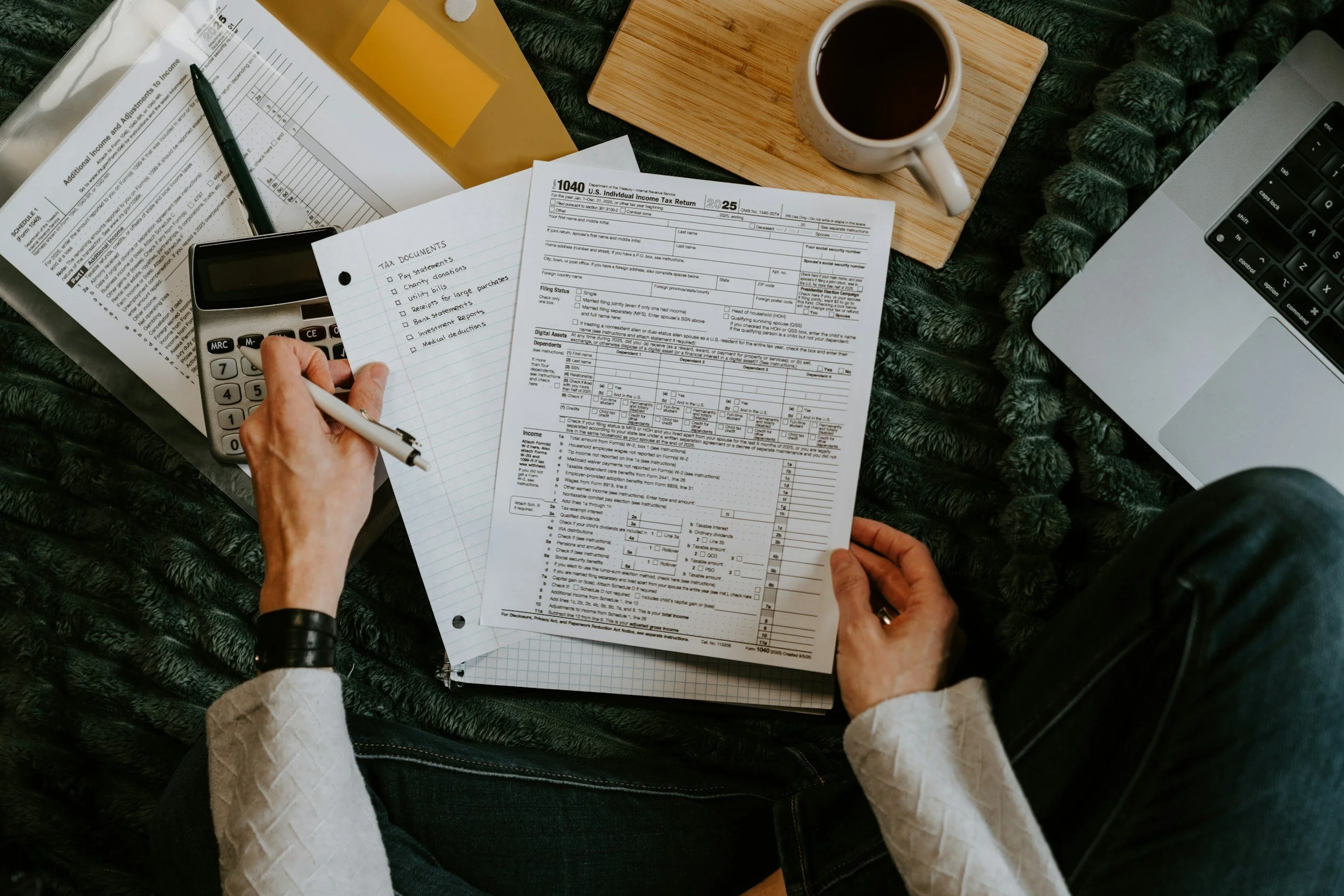
If you're a California property manager or real estate broker, receiving notice of a California Department of Real Estate (DRE) audit can be stressful. However, a DRE audit doesn't have to be overwhelming if your trust accounting records are accurate, organized, and consistently maintained.
The best way to prepare for an audit is long before you receive an audit notice. Strong financial controls, complete documentation, and regular reconciliations help demonstrate compliance and minimize potential findings.
At Northstar Trust Accounting, we help California property management companies prepare for DRE audits by ensuring trust accounting records are complete, accurate, and audit-ready.
What Is a California DRE Audit?
The California Department of Real Estate conducts audits to verify that brokers and property management companies are properly handling trust funds according to California law.
During an audit, examiners typically review:
Trust bank accounts
Trust account reconciliations
Owner ledgers
Tenant ledgers
Security deposit records
Bank statements
Cancelled checks
Deposit records
Owner distributions
Accounting software reports
Internal accounting procedures
The goal is to confirm that every dollar held in trust can be properly accounted for.
California DRE Audit Preparation Checklist
Use this checklist to evaluate whether your trust accounting system is ready for review.
Trust Account Records
Trust bank accounts are clearly identified.
Operating and trust funds are never commingled.
Signature authority is documented.
All trust accounts are active and properly maintained.
Three-Way Reconciliations
One of the first items auditors review is your monthly three-way reconciliation.
Confirm that each month includes:
Bank reconciliation
Trust liability report
Owner/property ledger reconciliation
Reconciliation completed on time
Documentation retained
Every reconciliation should balance exactly.
Owner Ledgers
Verify that every owner has:
An individual ledger
Accurate beginning balances
Proper income postings
Expense documentation
Owner distributions recorded
Current ending balance
Owner balances should always agree with your trust reports.
Tenant Ledgers
Review each tenant ledger for:
Rent payments
Security deposits
Late fees
Credits
Refunds
Outstanding balances
Every transaction should have supporting documentation.
Security Deposit Records
Confirm that:
Deposits are properly recorded.
Refunds are documented.
Transfers are traceable.
Deposit balances agree with tenant records.
Bank Statements
Have available:
Monthly bank statements
Images of cancelled checks
Deposit confirmations
Electronic banking records
Wire documentation (if applicable)
Maintain records for the required retention period.
Supporting Documentation
Auditors frequently request supporting documents, including:
Management agreements
Lease agreements
Vendor invoices
Owner approvals
Work orders
Deposit slips
Payment authorizations
Copies of checks
ACH confirmations
Every accounting transaction should be supported by documentation.
Accounting Software Reports
Be prepared to generate reports from your property management software, including:
Owner Ledger Reports
Tenant Ledger Reports
Trust Liability Reports
Trial Balance
General Ledger
Cash Receipts Journal
Cash Disbursements Journal
Bank Reconciliation Reports
These reports should agree with your bank records.
Internal Controls
Strong internal controls demonstrate good financial management.
Review whether your company has:
Separation of accounting duties
Approval procedures
Written trust accounting policies
Secure banking access
Regular management review
Monthly reconciliation process
Correct Any Issues Before the Audit
If you discover:
Missing transactions
Unreconciled accounts
Negative owner balances
Posting errors
Missing documentation
Address them immediately.
Waiting until the auditor identifies a problem often results in a more difficult audit process.
Common DRE Audit Findings
Many audit findings are preventable. Some of the most common include:
Incomplete trust reconciliations
Missing owner ledgers
Commingling of trust and operating funds
Inaccurate security deposit accounting
Delayed deposits
Inadequate documentation
Unsupported disbursements
Negative trust balances
Routine monthly reviews can significantly reduce the likelihood of these issues.
Best Practices for Staying Audit-Ready
Successful property management companies don't prepare for audits only when they're notified. Instead, they build audit readiness into their everyday operations by:
Completing trust reconciliations every month
Reviewing owner and tenant ledgers regularly
Maintaining organized digital records
Keeping supporting documentation with each transaction
Monitoring trust balances for discrepancies
Performing periodic internal reviews
When records are consistently maintained, responding to an audit becomes far more manageable.
How Northstar Trust Accounting Can Help
Preparing for a California DRE audit requires more than accurate bookkeeping—it requires specialized knowledge of trust accounting and regulatory compliance.
At Northstar Trust Accounting, we help property management companies:
Prepare for DRE audits
Complete monthly three-way trust reconciliations
Identify and correct accounting discrepancies
Organize trust accounting records
Clean up historical accounting issues
Strengthen internal accounting controls
Maintain ongoing compliance
Whether you're preparing for an upcoming audit or want confidence that your trust accounting practices are audit-ready year-round, our team provides the expertise and support to help you protect your business.
A DRE audit shouldn't be a last-minute scramble. With the right systems, accurate records, and consistent trust accounting practices, you can approach every audit with confidence.